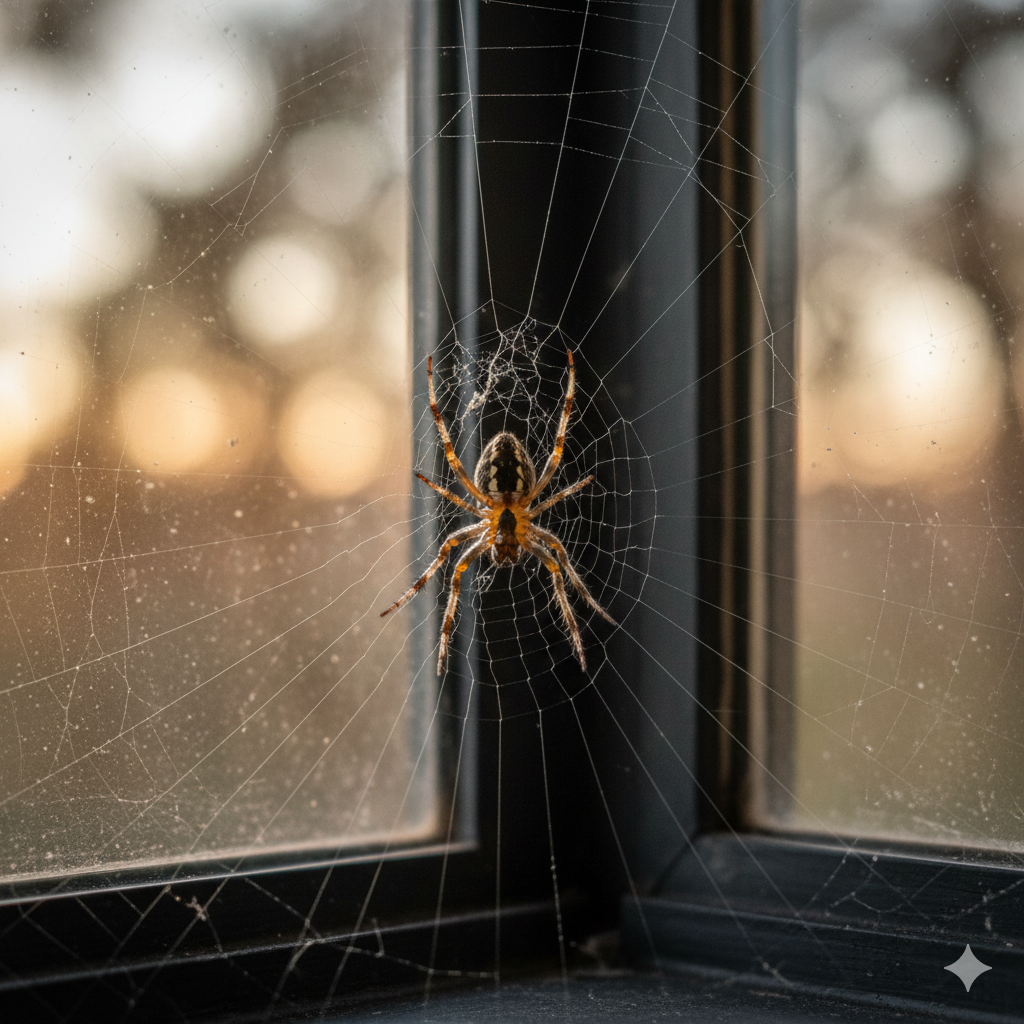
Spiders
mediumAraneae
Behavior & Habits
Spiders are not insects; they are arachnids with eight legs and two body segments. They are primarily predators and their primary behaviour is spinning silk for webs, which are used to capture prey, line burrows, or aid in movement (ballooning). Most spiders are nocturnal and generally non-aggressive, biting humans only when they feel threatened or are accidentally squeezed. Most spider venom is not harmful to humans, but bites can cause localized pain, swelling, and redness. They do not feed on human blood or spread disease but are often a nuisance due to their webbing.
Habitat & Signs
Spiders seek out sheltered areas where they can successfully build a web and catch other insects. Indoors, they favor quiet, undisturbed areas such as basements, attics, storage closets, corners of rooms, and behind furniture or appliances. They often gain entry through small cracks, gaps around windows, and under doors. Outdoors, their habitats include tall grass, dense vegetation, woodpiles, sheds, and under eaves or porch lights where flying insects are attracted. Spiders thrive in clutter, as it provides them with numerous places to hide and anchor their webs.
Prevention & Control
- Eliminate Prey: Since spiders feed on insects, controlling the overall insect population in and around your home is the best long-term prevention.
- Remove Harborage: Reduce clutter in basements, attics, and garages. Keep firewood, debris, and excessive landscaping material away from the foundation of the home.
- Clean Regularly: Regularly vacuum up webs, spiders, and egg sacs from corners, ceilings, and window frames. This is crucial for breaking their life cycle.
- Seal and Screen: Repair or replace damaged window and door screens. Seal cracks, crevices, and other small openings on the exterior of your property to limit entry points.
Get a Free Quote
Fill out the form below to request a free inspection or get a quote for our services.
Not what you were looking for?
← Back to Pest Library