Termite Control Noida: Expert Solutions for a Termite-Free Property
Termite Control Noida: Expert Solutions for a Termite-Free Property
Estimated reading time: 10–15 minutes
Key Takeaways
- Termites are silent destroyers, posing a significant, often unseen, threat to properties in Noida due to the region's climate and urbanization.
- Early detection through a comprehensive professional inspection is crucial, as visible signs often indicate an already severe infestation.
- Effective termite treatment Noida requires tailored solutions, encompassing both pre-construction preventative measures and post-construction strategies like liquid barriers or baiting systems.
- Professional termite control Noida offers indispensable advantages including expert knowledge, advanced tools, safety protocols, and long-term effectiveness guarantees, making it a more cost-effective solution than DIY.
- Proactive preventative measures, such as reducing moisture, eliminating wood-to-ground contact, and scheduling regular professional inspections, are vital for maintaining a termite-free property.
Table of Contents
- Termite Control Noida: Expert Solutions for a Termite-Free Property
- Key Takeaways
- 1. Understanding the Termite Threat in Noida
- 2. The Critical Role of Professional Termite Inspection in Noida
- 3. Effective Termite Treatment Options in Noida
- 4. Why Professional Termite Control is Indispensable for Noida Properties
- 5. Choosing the Right Termite Control Service in Noida
- 6. Preventative Measures to Safeguard Your Noida Property
- Conclusion
- Frequently Asked Questions
Termites are a hidden menace, quietly destroying homes and businesses without immediate detection. These tiny insects, often called "silent destroyers," can cause huge damage to your property before you even notice they are there. For property owners in Noida, facing a termite infestation is a very real and concerning threat. The unique climate and environmental factors in our region make properties especially vulnerable to these destructive pests.
Protecting your biggest investment – your home or business – from these tiny invaders is vital. This is why professional termite control Noida is not just an option, but a necessity. This blog post will guide you through understanding these pests, how to spot their presence, and why choosing expert termite treatment Noida services is the best way to keep your property safe and sound for years to come.
1. Understanding the Termite Threat in Noida
Termites are more than just a nuisance; they are a serious threat to any structure made of wood or other cellulose-based materials. Knowing about them is the first step in effective protection.
1.1. What are Termites?
Termites are social insects, much like ants, but they belong to a different group called Isoptera. They live in large colonies that can number in the millions. These colonies are highly organized, with different types of termites having specific jobs:
- Workers: These are the most numerous. They tunnel, find food, and feed the other termites. They are responsible for most of the damage you see.
- Soldiers: These termites protect the colony from enemies, especially ants. They have large heads and strong jaws.
- Reproductives (Kings and Queens): These are responsible for starting new colonies and laying eggs. They are often seen during swarming periods.
What makes termites so destructive is their ability to digest cellulose. Cellulose is the main component of wood, paper, fabric, and many other plant materials. This means your wooden furniture, door frames, roof supports, and even books can become a meal for a termite colony.
1.2. Why Noida is Susceptible to Termite Infestations
Noida, like many other regions in India, offers an ideal breeding ground for termites. Several environmental and urban factors contribute to their prevalence:
- Warm and Humid Climate: Termites, especially subterranean termites, thrive in warm and moist conditions. Noida's hot summers and humid monsoon seasons provide the perfect environment for them to grow and multiply rapidly. High humidity helps them maintain the moisture they need to survive and build their mud tubes.
- Soil Type: The soil in Noida often has a good balance of moisture and organic matter, which is favorable for subterranean termites to build their extensive underground tunnels and colonies. They live in the soil and forage for food (wood) above ground.
- Rapid Urbanization and Construction: The ongoing boom in construction across Noida, Greater Noida, and surrounding areas can disturb existing termite colonies. When land is cleared and new structures are built, termites are often displaced and seek new food sources, which can be the freshly laid wood in new homes or businesses. Construction activities can also create easy entry points into structures, such as cracks in foundations or poorly sealed utility lines. This constant development can unfortunately encourage the spread of these wood-eating pests.
- Gardens and Landscaping: Many properties in Noida feature lush gardens and landscaping. While beautiful, these can inadvertently create attractive conditions for termites. Wood mulch, decaying logs, and even overgrown shrubs touching the house can provide both food and concealed pathways for termites to reach your property.
1.3. Common Signs of Termite Infestation
Spotting termites early is key to preventing major structural damage. Unfortunately, they are very good at hiding. Here are detailed visual cues that signal the need for a professional termite inspection Noida:
- Mud Tubes: These are perhaps the most common and clear sign of subterranean termites. They are pencil-sized tunnels made of soil, wood particles, and termite saliva. Termites build these tubes on foundations, walls, wooden beams, or even plumbing pipes. These tubes protect them from predators and dry air as they travel between their underground nests and your property's wood. If you break open a mud tube, you might see small, cream-colored worker termites scurrying inside.
- Discarded Wings: After a termite swarm (when reproductive termites leave the nest to start new colonies), you might find small, translucent wings. These wings are often found near windowsills, doors, light fixtures, or in spiderwebs. They look like tiny fish scales. Seeing these wings means a termite colony is mature and likely somewhere nearby, or even inside your property.
- Hollow-Sounding Wood: Termites eat wood from the inside out, leaving a thin veneer on the surface. If you tap on wooden structures like door frames, baseboards, or floorboards, and they sound hollow, it could be a sign of termite tunneling within. This indicates significant internal damage has already occurred.
- Frass (Termite Droppings): Drywood termites, which live entirely within wood, push their droppings out of tiny holes in the wood. These droppings, called frass, look like tiny, six-sided pellets, often resembling sawdust, coffee grounds, or sand. You might find small piles of frass near infested wooden items or furniture. Their color often matches the wood they've been eating.
- Damaged Wood: As termites chew through wood, they weaken its structural integrity. Look for signs like buckling or uneven floors, sagging ceilings, walls that seem to bulge, or doors and windows that stick. You might also notice blistering or peeling paint that looks like water damage but is caused by termites tunneling just beneath the surface. Small, pinpoint holes in drywall can also be an entry or exit point.
Early detection through these signs is vital for effective termite control Noida. If you notice any of these indicators, it's time to call in the experts.
2. The Critical Role of Professional Termite Inspection in Noida
You might think you can spot termites yourself, but these pests are masters of disguise. A professional inspection is often the only way to truly understand the scope of a potential problem.
2.1. Why Professional Inspection is Indispensable
Termites typically operate out of sight, deep within walls, under floors, or inside structural timbers. This makes DIY detection incredibly difficult, and often, by the time a homeowner spots visible signs, the infestation is already severe.
Professional termite inspectors bring specialized knowledge, training, and tools that go beyond what an average property owner can do. They know where to look, what subtle signs to search for, and how to differentiate termite damage from other issues. Their expertise ensures that hidden infestations are found, and the full extent of any damage is accurately assessed. This thorough evaluation is the crucial first step for any successful termite elimination strategy.
2.2. What a Professional Termite Inspection Involves
A comprehensive termite inspection Noida is a methodical process designed to uncover any evidence of termite activity, identify vulnerable areas, and determine the type of termites present. Here’s what a professional inspection typically includes:
- Exterior Examination: The inspector will meticulously check the entire perimeter of your property. This involves inspecting the foundation walls for mud tubes, cracks, or other entry points. They will examine exterior walls, eaves, and the roofline for signs of damage or entry. Landscaping features, such as trees, shrubs, and mulch beds, will be checked for termite activity, especially where they are close to the house. Areas with wood-to-ground contact, like deck posts, fence lines, or wooden window frames near the soil, are also key points of focus.
- Interior Examination: Inside your property, the inspection moves to basements, crawl spaces, and attics, which are common areas for termites to establish colonies or cause damage due to moisture. Utility areas, where pipes and wires enter the home, are scrutinized for potential termite pathways. All accessible wooden fixtures – door frames, window frames, baseboards, wooden furniture, and floors – will be tapped and examined for hollow sounds or damage. The inspector will also look for any sources of moisture, such as leaks, as these attract termites.
- Use of Specialized Tools: Modern termite inspection Noida relies on advanced technology to detect termites without causing damage to your property.
- Moisture Meters: Termites need moisture to survive. Inspectors use moisture meters to detect elevated moisture levels in walls, floors, and ceilings, which can indicate hidden termite activity or conditions conducive to termites.
- Thermal Imaging Cameras: These cameras detect subtle changes in temperature. As termites create tunnels and feed, they generate heat, which thermal cameras can pick up, revealing their presence behind walls or under floors.
- Boroscopes: These tiny, flexible cameras are inserted into small drilled holes to inspect voids within walls, ceilings, or inaccessible areas, providing a direct view of potential termite activity without extensive demolition.
- Identification of Species: Knowing the exact type of termite (e.g., subterranean, drywood, dampwood) is critical. Different termite species have different behaviors and require different treatment approaches. An experienced inspector can identify the species based on mud tubes, frass, or the termites themselves, which then informs the most effective termite treatment Noida strategy.
- Damage Assessment: Beyond just finding termites, the inspection assesses the extent of any existing damage to wooden structures. This helps in understanding the severity of the infestation and planning necessary repairs after treatment. The inspector will also identify vulnerable areas that might attract future infestations.
A thorough professional inspection is the foundational step for effective termite control Noida, providing the information needed to create a targeted and successful treatment plan.
3. Effective Termite Treatment Options in Noida
Once an infestation is confirmed through a professional inspection, the next step is to implement a suitable treatment plan. It's crucial to understand that effective termite treatment Noida is never a one-size-fits-all solution. The best approach depends heavily on several factors: the specific type of termite, how widespread the infestation is, and the unique construction and features of your property.
3.1. Introduction to Tailored Treatment
Because termites behave differently depending on their species (subterranean termites live underground, drywood termites live inside wood), a customized strategy is always needed. A professional pest control service will analyze your specific situation and recommend the most appropriate and effective treatment or combination of treatments to eliminate the current infestation and protect against future ones.
3.2. Pre-Construction Anti-Termite Treatment
This is a proactive and highly recommended measure for anyone building a new property in Noida.
- Definition: Pre-construction
anti-termite treatment Noidais a preventative process where a chemical barrier is applied to the soil before and during the early stages of a building's construction. Its goal is to stop subterranean termites from ever entering the structure once it's built. - Method: The treatment involves several stages:
- Foundation Trenches: Before concrete is poured for the foundation, the soil at the bottom and sides of the trenches is treated with a powerful liquid termiticide. This creates the first line of defense.
- Plinth Beam Level: After the foundation is laid, the soil surrounding the plinth (the base of the wall that is just above ground level) is treated. This forms a continuous chemical barrier that termites cannot cross.
- Under-Slab Treatment: Before the floor slab is laid, the entire surface of the leveled ground beneath the concrete is thoroughly treated. This ensures that no termites can come up through the floor.
- Perimeter Treatment: Finally, a treated zone is established around the entire external perimeter of the building once it's largely complete, adding another layer of protection.
- Benefits: This treatment provides robust, long-term protection against subterranean termites. By creating an invisible, treated zone in the soil, it prevents termites from gaining entry into the structure, essentially making your new building termite-proof from the ground up. This preventative anti-termite treatment Noida is often the most cost-effective way to safeguard your property, as it avoids the far greater expenses of treating an established infestation and repairing damage later.
3.3. Post-Construction Termite Treatment
- Methods:
- Liquid Chemical Barrier Treatment: This is one of the most common and effective methods for existing structures. It involves injecting specialized liquid termiticides into the soil around the entire exterior perimeter of your property. Small holes are drilled at regular intervals (typically 1-2 feet apart) into the ground near the foundation, and the termiticide (such as Fipronil or Imidacloprid) is injected under pressure. This creates an undetectable treated zone around your home or business.
- How it Works: Modern liquid termiticides are non-repellent, meaning termites cannot detect them. When termites forage through this treated zone, they become contaminated with the chemical. They then carry the termiticide back to their colony, where it spreads through social interaction (like grooming and feeding each other). This "transfer effect" leads to the gradual elimination of the entire colony, including the queen, over time. It provides a long-lasting protective barrier.
- Termite Baiting Systems: This method is an eco-friendly and highly effective option for eliminating entire termite colonies. It involves strategically placing bait stations containing cellulose material laced with a slow-acting insect growth regulator (IGR) around the property.
- How it Works: Termites are attracted to the bait and consume it. Because the IGR is slow-acting, the termites do not die immediately. Instead, they carry the bait back to their colony and share it with other termites, including the queen. The IGR disrupts the termites' natural growth cycle, preventing them from molting (shedding their skin to grow), which is essential for their survival. Over several weeks or months, the entire colony weakens and is eliminated. Baiting systems offer continuous monitoring and protection.
- Wood Treatment: For localized infestations that are confined to specific wooden structures within a property, direct wood treatment is often employed. This is particularly useful for drywood termites or smaller infestations in visible wooden elements.
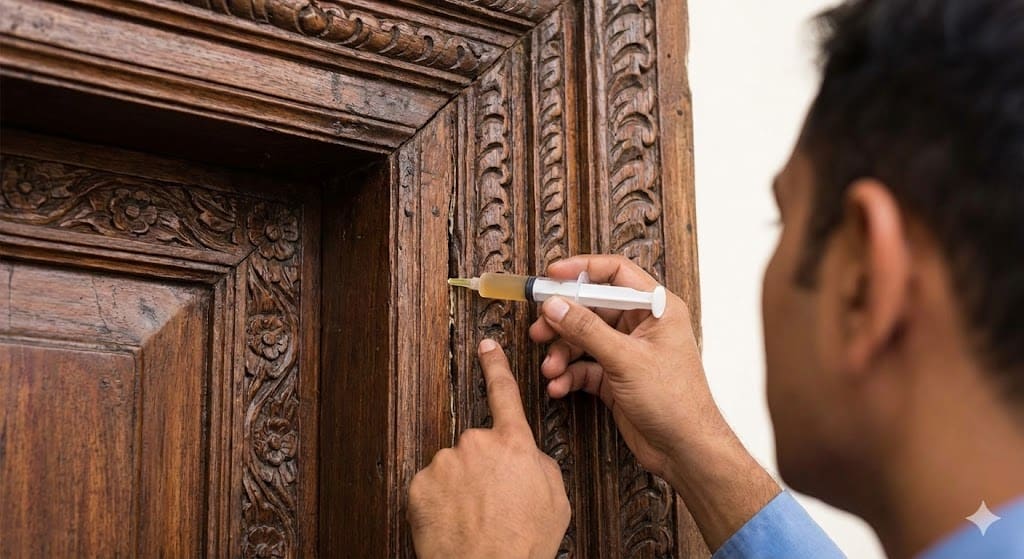
- Methods: This can involve drilling small holes directly into the infested wood and injecting liquid termiticides to kill termites within the wood. Alternatively, accessible wooden elements like door frames, window frames, or furniture can be sprayed with specialized termiticides to prevent or stop activity. This direct application ensures the chemical reaches the termites where they are living and feeding. This method is often part of a more comprehensive termite treatment Noida plan, especially when dealing with multiple types of infestations.
- Liquid Chemical Barrier Treatment: This is one of the most common and effective methods for existing structures. It involves injecting specialized liquid termiticides into the soil around the entire exterior perimeter of your property. Small holes are drilled at regular intervals (typically 1-2 feet apart) into the ground near the foundation, and the termiticide (such as Fipronil or Imidacloprid) is injected under pressure. This creates an undetectable treated zone around your home or business.
By choosing the right methods, professional termite control Noida ensures that your property receives the most effective anti-termite treatment Noida tailored to its unique needs.
4. Why Professional Termite Control is Indispensable for Noida Properties
When it comes to protecting your property from the destructive power of termites, trying to handle it yourself can be a costly mistake. Professional termite control Noida services offer advantages that simply cannot be replicated by DIY methods.
4.1. Expert Knowledge and Experience
Professional pest control technicians possess in-depth knowledge of termite biology, behavior, and the specific species that are common in Noida. They understand how different termites operate, where they are likely to hide, and what conditions encourage their presence. This expertise allows them to accurately diagnose the problem, identify the specific termite species, and develop a precise and effective termite control Noida strategy. They can spot subtle signs that a homeowner might miss, ensuring no part of the infestation goes unnoticed.
4.2. Access to Advanced Techniques and Equipment
Professional pest control companies use specialized tools and industrial-grade termiticides that are not available to the general public. As mentioned in section 2.2, tools like moisture meters, thermal imaging cameras, and boroscopes allow for non-invasive detection of hidden colonies. Furthermore, the termiticides used by professionals are often more potent, more long-lasting, and applied using specialized equipment for thorough and uniform distribution. This ensures that the termite treatment Noida penetrates deep into the soil or wood, providing maximum effectiveness and lasting protection.
4.3. Safety and Environmental Considerations
Termiticides are powerful chemicals, and their safe handling and application are critical. Trained professionals understand the proper safety protocols to minimize risks to occupants, pets, and the environment. They know the correct dosages, application techniques, and precautions needed to apply chemicals responsibly. This is especially important for any anti-termite treatment Noida, as improper use of chemicals can be harmful and ineffective. Professionals ensure that the treatment is both powerful against termites and safe for your family and the surroundings.
4.4. Long-Term Effectiveness and Guarantees
One of the most significant benefits of professional termite control Noida is the assurance of long-term effectiveness. Many reputable pest control services offer warranties or guarantees for their anti-termite treatment Noida. This often includes follow-up inspections and re-treatment if termites return within a specified period. This commitment provides invaluable peace of mind, knowing that the problem will be fully resolved and your property will remain protected for an extended duration.
4.5. Cost-Effectiveness in the Long Run
While professional termite treatment Noida involves an upfront cost, it is a far more cost-effective solution in the long run. Termite damage can be extensive and lead to incredibly expensive structural repairs if left untreated or improperly treated. The cost of replacing damaged wooden beams, floors, or walls can run into lakhs of rupees. Investing in professional termite control Noida prevents these catastrophic damages, safeguarding your property’s value and saving you from much larger financial burdens down the road. It’s an investment in your property’s longevity and structural integrity.
5. Choosing the Right Termite Control Service in Noida
Selecting the right professional is as important as deciding to get termite treatment Noida. With many options available, knowing what to look for can make all the difference in ensuring your property gets the best possible protection.
5.1. Key Considerations When Selecting a Provider
When you're searching for expert termite control Noida services, keep these crucial factors in mind:
- Experience and Reputation: Look for companies with a long-standing presence in the Noida area and a strong track record of success. Check online reviews, testimonials, and ask for references. A company with positive feedback for
termite control Noidais more likely to provide reliable and effective service. Ask about how long they have been operating locally. - Licensing and Certification: Ensure that the company and its technicians are properly licensed, insured, and certified by relevant authorities. This indicates that they meet industry standards, are trained in safe pesticide application, and operate legally. Don't hesitate to ask for proof of their credentials. This protects both you and the service provider.
- Comprehensive Inspection: Stress the importance of a thorough initial
termite inspection Noidabefore any treatment proposal is made. A reputable company will insist on a detailed inspection to accurately assess the infestation and understand your property's unique needs. Be wary of any provider that offers a generic quote over the phone without seeing your property first. The inspection is the foundation of an effective plan. - Customized Treatment Plans: The service should offer tailored solutions, not generic, one-size-fits-all packages. Based on the findings from their
termite inspection Noida, they should present a customizedtermite treatment Noidaplan that addresses your specific termite species, infestation severity, and property structure. They should clearly explain why certain methods are recommended. - Transparency in Pricing: Get a detailed, written quote that outlines all costs, including the inspection, treatment, and any potential follow-up services. Ensure there are no hidden costs. A trustworthy company will be upfront about their pricing for
termite treatment Noidaand explain what you are paying for. - Warranty and Follow-up: Inquire about guarantees or warranties for their
anti-termite treatment Noida. A strong warranty indicates confidence in their work and often includes follow-up inspections or re-treatments if needed. Understand what the warranty covers and its duration. Regular check-ups are important to ensure long-term protection. - Safety Protocols: Ask about the safety of the chemicals used and the measures taken to protect residents, children, and pets during and after the
termite treatment Noida. Professionals should be able to explain their safety procedures, ventilation requirements, and any necessary precautions you need to take.
By carefully considering these points, you can choose a reliable and effective termite control Noida service to safeguard your property.
6. Preventative Measures to Safeguard Your Noida Property
While professional termite treatment Noida is essential for existing infestations, taking proactive steps can significantly reduce your risk of ever getting termites. Prevention is always better (and cheaper) than cure. Incorporating these measures can help maintain a termite-free property.
6.1. Reduce Moisture
Termites are attracted to moisture, which is vital for their survival, especially subterranean termites.
- Fix Leaks: Promptly repair any leaky pipes, faucets, or air conditioning units. Even small drips can create damp conditions that attract termites. Check under sinks, in utility rooms, and near outdoor taps.
- Ensure Proper Drainage: Make sure that water drains away from your foundation. Slope the soil around your house so that rainwater flows away, preventing puddles or standing water near the base of your structure.
- Maintain Gutters and Downspouts: Keep gutters clean and ensure downspouts extend several feet away from the foundation. Clogged gutters can overflow, directing water directly onto your foundation walls.
- Improve Ventilation: Ensure good ventilation in crawl spaces, basements, and attics. Good airflow helps to reduce humidity and moisture buildup, making these areas less appealing to termites.
6.2. Eliminate Wood-to-Ground Contact
Direct contact between wood and soil provides an easy bridge for termites to enter your property.
- Maintain Clearance: Ensure that all wooden structures, such as decks, fence posts, pergolas, and even door and window frames, have a minimum of 6 inches of clearance from the soil. This creates a visible gap that makes it harder for termites to climb in undetected.
- Use Concrete or Metal Bases: For wooden posts or supports that must be in contact with the ground, use concrete or metal bases to elevate the wood. This protects the wood from direct soil contact and moisture.
6.3. Remove Termite Food Sources
Eliminating potential food sources around your property makes it less attractive to foraging termites.
- Clear Wood Debris: Remove old tree stumps, fallen branches, scrap lumber, firewood piles, and any other wooden debris from around your property. Store firewood off the ground and away from your house.
- Manage Landscaping: Trim shrubs, bushes, and tree branches so they do not touch the walls or roof of your house. Overgrown vegetation can hide termite activity and retain moisture against your home's exterior.
- Be Mindful of Mulch: While mulch is beneficial for gardens, excessive application, especially close to the foundation, can retain moisture and provide a hidden pathway for termites. Use gravel or other non-cellulose materials directly against the house.
6.4. Seal Entry Points
Even tiny cracks can serve as entry points for termites.
- Seal Cracks: Seal any cracks or crevices in your foundation, around utility lines (pipes, wires, cables), and plumbing with appropriate sealants. Use good quality caulk or concrete repair materials.
- Repair Screens: Repair damaged screens on windows and vents to prevent winged termites (swarmers) from entering during mating flights.
6.5. Regular Professional Inspections
Even if you don't see any visible signs of termites, regular professional termite inspection Noida is a vital preventative measure.
- Annual Checks: Recommend annual inspections by professionals. Experts can spot nascent infestations or conditions conducive to termites much earlier than a homeowner. Early detection can prevent extensive damage and makes any necessary anti-termite treatment Noida far less complex and costly. Consider it an investment in continuous protection.
By consistently applying these preventative measures, you significantly enhance your property's defenses against termite infestations.
Conclusion
Termites pose a severe, often unseen, threat to property owners in Noida. Their ability to silently destroy structures from the inside out means that vigilance and prompt action are paramount. We've seen how understanding their behavior, recognizing the early signs of infestation, and knowing the various effective treatment options are crucial steps.
The key message is clear: proactive measures, timely professional termite inspection Noida, and the implementation of effective termite treatment Noida are absolutely essential for protecting your homes and businesses. Investing in professional termite control Noida is not just an expense; it's a vital investment in the longevity, safety, and structural integrity of your property. Don't let these silent destroyers undermine your peace of mind and your financial investment.
Don't wait for termites to undermine your property's value and safety. Act now!
Contact [Company Name] today for a comprehensive termite inspection Noida. Let our experts provide you with a customized and effective anti-termite treatment Noida plan to safeguard your home or business.
Call Us: [Your Company Phone Number]
Visit Our Website: [Your Company Website Link]
[Optional: Request a Free Quote]
Frequently Asked Questions
-
What makes Noida properties particularly vulnerable to termites?
Noida's warm and humid climate, along with its specific soil types, creates an ideal environment for termites, especially subterranean species, to thrive. Additionally, rapid urbanization and extensive landscaping can disturb existing colonies and provide new entry points and food sources for these pests, increasing the risk for properties.
-
How often should I get a professional termite inspection?
Even without visible signs of infestation, it's highly recommended to have a professional termite inspection Noida at least once a year. Regular inspections allow experts to detect nascent infestations or conditions conducive to termites much earlier, preventing extensive damage and making any necessary anti-termite treatment Noida less complex and costly.
-
Is pre-construction termite treatment really necessary for new properties?
Yes, pre-construction anti-termite treatment Noida is a crucial preventative measure. By creating a chemical barrier in the soil before and during construction, it stops subterranean termites from gaining entry into the structure from the ground up. This proactive approach is often the most cost-effective way to safeguard your new investment, avoiding significantly higher expenses for treating an established infestation and repairing damage later.
Get a Free Quote
Fill out the form below to request a free inspection or get a quote for our services.
More Articles Like This
Effective Rodent Control Noida: Your Guide to Professional Rat & Mice Removal Services